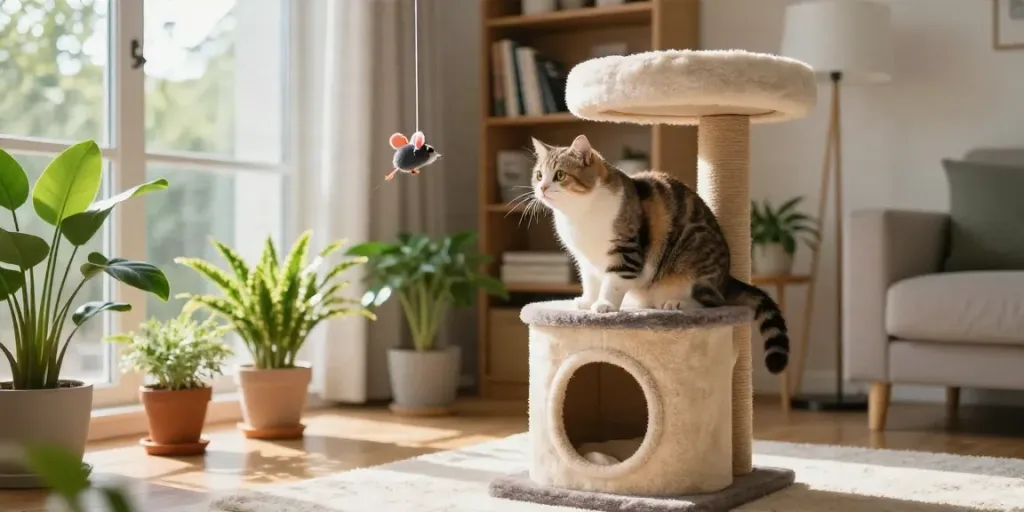
The Importance of Cat Trees for Pet Health
Cat trees are more than just stylish additions to your home; they play a crucial role in the well-being of your feline companions. Understanding the underlying dynamics of feline behavior and the necessity for physical and mental stimulation highlights why investing in a quality cat tree is essential. These structures provide platforms for climbing, scratching, and relaxing, catering to a cat's innate instincts while also keeping them healthy and active.
Understanding Feline Behavior and Needs
Cats are natural climbers and explorers. In the wild, their survival depends on their ability to navigate their environment, seeking high vantage points for safety and hunting. A cat tree mimics this essential behavior by offering various levels that satisfy their climbing instincts. This vertical space not only allows them to observe their surroundings but also provides a sanctuary away from ground-level disturbances.
How Cat Trees Support Physical Health
Physical health is a paramount concern for any pet owner. A well-designed cat tree encourages exercise and physical activity, which is vital for preventing obesity and related health problems. The act of climbing and jumping engages numerous muscle groups and aids in maintaining a healthy weight. Furthermore, many cat trees incorporate scratching posts, which facilitate the natural behavior of claw sharpening, thus promoting claw health and preventing furniture damage.
Psychological Benefits of Cat Trees
Beyond physical health, cat trees offer significant psychological benefits. Cats are territorial creatures that thrive in stimulating environments. A cat tree provides various textures, heights, and spaces for play and exploration, contributing to mental stimulation. This helps reduce stress and anxiety, making the cat feel secure in its territory. Providing multiple perching areas also gives shy cats the option to retreat when feeling overwhelmed, enhancing their overall emotional well-being.
Types of Cat Trees in 2026
The market for cat trees has evolved dramatically, with numerous styles and materials to cater to diverse tastes and needs. As we move through 2026, understanding the various options available can help you choose the perfect addition to your home.
Modern Designs vs. Traditional Styles
Modern cat trees come in sleek, minimalist designs, often blending seamlessly with contemporary home decor. These structures may use innovative materials such as compressed wood and faux fur, presenting a clean aesthetic. In contrast, traditional cat trees often feature a more robust design with sisal-covered scratching posts and plush fabric. Each style offers unique advantages, so select one that aligns with your home decor and your cat's preferences.
Materials Used in Cat Tree Construction
Quality materials significantly impact the durability and safety of a cat tree. Look for trees constructed from solid wood or high-density particle board to ensure stability. The coverings should be durable yet soft – a combination of carpet and faux fur is commonly used. Consider trees with removable, washable covers to facilitate easy cleaning. Sisal rope is an excellent material for scratching posts, as it withstands wear and tear while accommodating your cat's natural scratching behavior.
Choosing the Right Cat Tree for Your Home
When selecting the ideal cat tree, consider your cat's size, age, and personality. A multi-level tree is ideal for active cats, while smaller, simpler models may suit older or less adventurous felines. Moreover, assess the available space in your home; larger trees may require a dedicated corner while smaller models can fit snugly in tighter areas. It's also crucial to involve your cat in the decision-making process, observing which styles and features they seem to prefer.
Buying Guide: What to Look for in a Cat Tree
Understanding the features that matter most when buying a cat tree can foster a rewarding experience for both you and your feline friend. Here’s what to prioritize when making your selection.
Key Features to Prioritize
- Stability: The base should be wide to prevent tipping.
- Height and Levels: Cats love to climb; provide multiple tiers.
- Scratching Areas: Integrate sisal posts to encourage scratching.
- Comfortable Perches: Ensure that resting spots are padded and cozy.
Price Range and Value Considerations
Cat trees can range from budget-friendly options to high-end models, with prices typically starting around £50 and going well over £300. While it may be tempting to opt for the cheapest option, consider the longevity and stability of the structure. Investing a bit more into a durable cat tree can save you money in the long run, as they are less likely to require replacement.
Where to Purchase Quality Cat Trees
There are various places to purchase cat trees, including pet supply stores, online retailers, and specialty shops. Online platforms often provide the widest selection and competitive pricing, making them a convenient choice. Always read customer reviews and product specifications to ensure you are choosing a quality product that meets your needs.
Maintaining and Caring for Your Cat Tree
Once you've chosen the perfect cat tree, proper maintenance is key to ensuring it remains a safe and enjoyable environment for your pet.
Cleaning and Upkeep Tips
Regular cleaning is essential to maintain hygiene and prolong the life of your cat tree. Use a vacuum attachment to remove hair and debris from the surfaces. For deeper cleaning, check if the fabric covers are removable and washable. Spot clean any stains with a pet-safe cleaner to prevent odors.
Repairing Wear and Tear
Over time, wear and tear is inevitable. Keep an eye on the carpet and fabric areas for frays or tears. Most scratching posts can be easily replaced or rewrapped with fresh sisal, extending the life of your cat tree. Make sure that all parts are secure, as loose components can lead to injuries.
Enhancing Your Cat Tree’s Features
If your cat tree is looking a bit bare, consider adding attachments such as hanging toys or cozy blankets to enhance comfort and enrichment. DIY upgrades can also be a fun project and a great way to engage with your cat.
Future Trends in the Cat Tree Industry
As we look ahead, the cat tree industry continues to adapt to the changing needs of pets and their owners. Innovations and sustainability will drive market trends into 2026 and beyond.
Innovations in Cat Tree Design
Designers are exploring modular cat trees that can be adapted over time as your cat's needs change. This flexibility allows for customization, making it easy for pet owners to modify structures as their cats grow or develop new interests. Additionally, technology is gradually making its way into cat furniture, with motion-activated toys and integrated climbing challenges enhancing the play experience.
Sustainability Considerations for Pet Furniture
Today’s consumers are increasingly eco-conscious, leading manufacturers to explore sustainable materials and production methods. Look for cat trees made from recycled or reclaimed materials, as these options not only benefit the environment but often feature unique designs that stand out in your home.
Expert Predictions for the Market in 2026
Industry experts predict that as the pet ownership rate continues to rise, so will the demand for specialized cat products. Customizable and space-efficient designs are likely to become increasingly popular, catering to urban dwellers looking to maximize limited living space while still providing their pets with stylish, functional play structures.
Is it worth getting a cat tree?
The simple answer is yes. A cat tree can drastically improve your cat's quality of life, offering a dedicated space for play and rest. By mimicking their natural environment, cat trees foster healthier, happier pets.
What is the 3-3-3 rule for cats?
The 3-3-3 rule refers to the three days, three weeks, and three months it typically takes for a cat to adjust to a new home. Being aware of this timeline aids in providing the necessary support during the transition period.
Are cat trees good for cats?
Absolutely! Cat trees are beneficial for physical exercise, mental stimulation, and satisfying natural instincts. They promote healthy behaviors, making them a worthwhile investment for any cat owner.
How much is Costco cat tree?
The price of cat trees at Costco varies, generally falling within the £60 to £120 range, depending on the design and features offered. Shoppers can often find great deals during promotional events, making Costco a viable option for budget-conscious consumers.