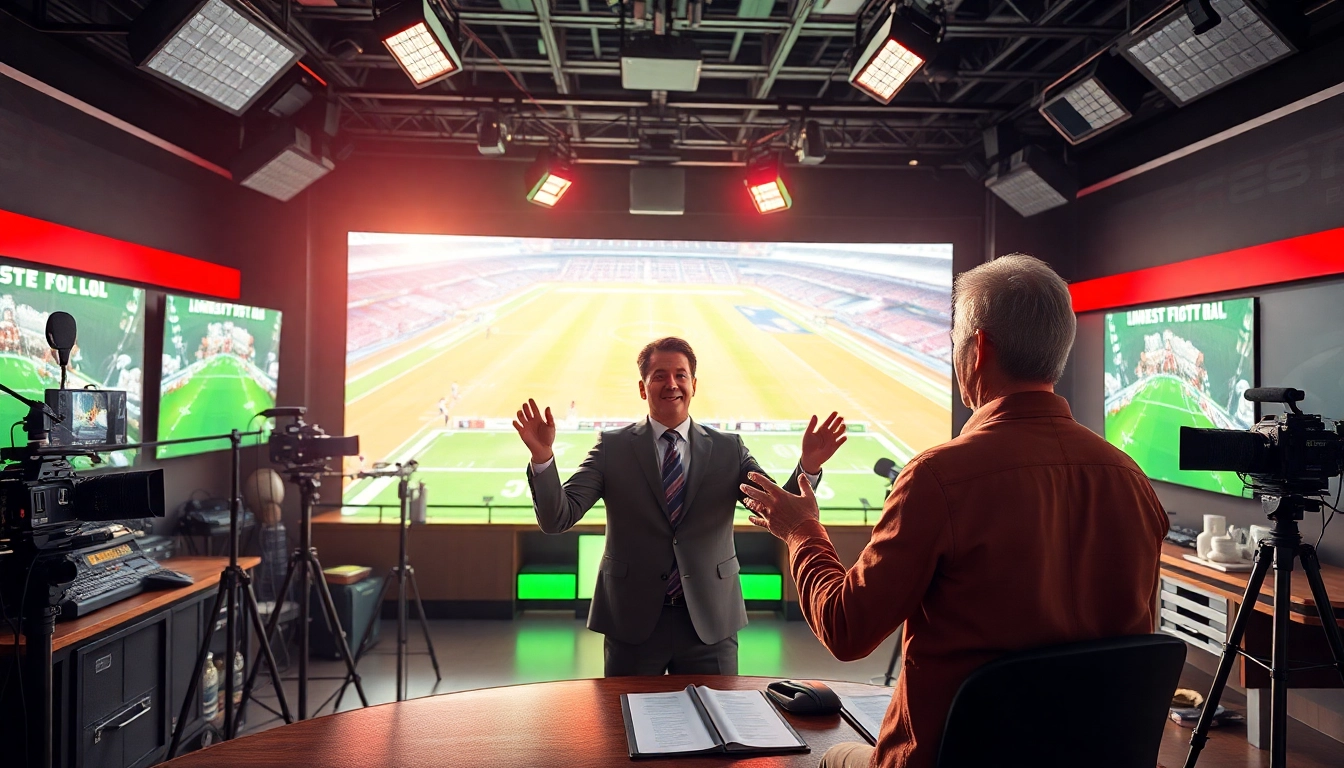
Understanding Sports Broadcasting Fundamentals
Defining Sports Broadcasting
Sports broadcasting refers to the process of delivering live or recorded content related to sports events, programs, or related commentary to audiences through various media channels such as television, radio, and online platforms. It involves not only the act of showing the event but also the contextual framing, interviews, and expert analysis that enrich the viewer's experience. The landscape of Sports Broadcasting continues to evolve, marked by advances in technology and shifts in viewer preferences.
The Evolution of Sports Broadcasting
The history of sports broadcasting traces back to the early 20th century, beginning with radio broadcasts of baseball games. As technology evolved, so did broadcasting capabilities, leading to the first televised sporting event in the 1930s, which set the stage for future innovations. Over the decades, the introduction of color broadcasting, cable television, and satellite technology significantly transformed how sports are consumed. Today, the rise of streaming services and social media platforms has further revolutionized sports broadcasting by making content more accessible and engaging than ever before.
Key Roles in Sports Broadcasting
Various key roles contribute to the effective execution of sports broadcasting. These include:
- Producers: Oversee the entire broadcasting process, managing content, timing, and seamless transitions.
- Commentators: Provide real-time analysis and play-by-play descriptions to engage viewers and enhance their understanding of the game.
- Cameramen: Capture live footage from strategic positions, ensuring audiences have a comprehensive view of the action.
- Editors: Responsible for post-production tasks, enhancing recorded content with highlights, graphics, and commentary.
- Technical Directors: Manage the technical aspects of a broadcast, operating equipment and ensuring high-quality transmission.
Essential Equipment and Technology in Sports Broadcasting
Broadcasting Tools Overview
Effective sports broadcasting relies heavily on specialized equipment. Essential tools include high-definition cameras, microphones, and broadcasting software. High-quality cameras are vital for capturing dynamic action, while microphones ensure clear audio from commentators and on-field interviews. Broadcasting software simplifies the transition between live feeds, recorded content, and graphics overlays, making it easier to create professional-level broadcasts.
Emerging Technologies Impacting Sports Broadcasting
The sports broadcasting industry is continually being shaped by emerging technologies. Key innovations include:
- Virtual Reality (VR): Enhances viewer engagement by providing immersive experiences, allowing fans to feel as if they are part of the action.
- Augmented Reality (AR): Integrates digital graphics into real-world environments, enriching broadcasts with visual data that augment storytelling.
- Streaming Platforms: Offer on-demand access and personalized viewing experiences that traditional broadcasting models cannot replicate.
- Drones: Provide unique aerial perspectives that add new dimensions to sports coverage.
Choosing the Right Equipment for Your Needs
Selecting the appropriate equipment for sports broadcasting hinges on various factors, including the type of sport, the scale of the production, and budget considerations. It’s essential to assess your specific needs and choose equipment that ensures high-quality visuals and sound. For smaller productions, compact cameras and simpler broadcasting software may suffice, while larger broadcasts may require multi-camera setups and advanced switching technologies.
Content Creation and Storytelling in Sports Broadcasting
Crafting Compelling Broadcast Narratives
Creating engaging narratives is crucial in sports broadcasting. Compelling storytelling captivates audiences and enhances their overall experience. Successful broadcasts weave together statistical analysis, player backgrounds, and game context to create rich layers of meaning. Broadcasters should develop strong narratives that highlight rivalries, underdog stories, and milestone moments to captivate viewers.
Engaging Your Audience Through Key Storytelling Techniques
Effective storytelling in sports broadcasting combines factual reporting with emotional resonance. Techniques include:
- Character Development: Highlight players' journeys, challenges, and triumphs to create a deeper connection with the audience.
- Conflict and Resolution: Presenting dramatic moments effectively builds tension and keeps viewers engaged.
- Use of Humor: Incorporating light-hearted commentary can soften the competitive edge and make broadcasts more relatable.
Utilizing Visuals and Graphics Effectively
Visual elements play a pivotal role in enhancing sports broadcasts. Graphics should complement the narrative by providing real-time statistics, replay highlights, and on-screen visuals that enrich viewer understanding. Effective use of infographics can also help in summarizing key player stats, game performance, and moment comparisons, ensuring the audience remains informed and engaged throughout the broadcast.
Live Sports Broadcasting: Best Practices
Preparing for Live Events
Preparation is vital for a successful live sports broadcast. This includes pre-game research, scheduling key segments, and rehearsing transitions. Developing a checklist of necessary equipment and ensuring technical checks are conducted prior to the event can prevent unforeseen issues. Establishing a clear communication plan among team members enhances coordination during live broadcasts.
Effective Communication during Broadcasts
Clear and engaging communication is essential during broadcasts. Commentators must maintain a conversational yet informative tone, effectively responding to the dynamic nature of the event. It’s crucial that they articulate the game's progress and significance while keeping the audience’s excitement level high. Regular interaction with co-commentators can also create a participatory environment that further engages viewers.
Managing Unexpected Challenges on Air
Live sports broadcasting is inherently unpredictable, necessitating quick thinking and adaptability among team members. Whether dealing with technical malfunctions or unexpected event developments, having contingency plans in place is paramount. Broadcasters should stay calm under pressure and have alternative storylines or segments ready to maintain viewer engagement, even during interruptions.
Measuring Success in Sports Broadcasting
Utilizing Metrics to Assess Performance
Analyzing performance metrics is crucial for improving sports broadcasts. Key metrics include viewer ratings, audience engagement levels, and social media interaction. Monitoring these statistics helps broadcasters understand audience preferences and tailor future content accordingly. Learning from data also enables broadcasters to refine their strategies and enhance viewer satisfaction consistently.
Gathering Viewer Feedback for Continuous Improvement
Soliciting viewer feedback is vital for ongoing success in sports broadcasting. Surveys, polls, and social media engagement can provide valuable insights into audience experiences and preferences. Integrating feedback into future broadcasts fosters a sense of community and loyalty among viewers, ultimately driving better ratings and engagement.
Future Trends in Sports Broadcasting Analytics
As technology continues to evolve, so too will the landscape of sports broadcasting analytics. Future trends may include increasingly sophisticated tools that harness artificial intelligence and machine learning for data collection and analysis. These advancements can help broadcasters predict viewer behavior, tailor content more effectively, and enhance overall engagement strategies.
FAQs about Sports Broadcasting
What is the difference between local and national sports broadcasting?
Local sports broadcasting focuses on regional teams and events, often showcasing community interest. National sports broadcasting typically covers major leagues and events, reaching a broader audience and offering larger production budgets.
How do broadcasters choose which events to cover?
Broadcasters evaluate factors such as audience interest, market demand, and the prominence of events. They often analyze viewership data from previous events to inform their decisions.
What role do sponsors play in sports broadcasting?
Sponsors provide financial support to broadcasts in exchange for advertising opportunities. Their involvement can enhance production quality and increase overall promotional reach.
How has streaming impacted traditional sports broadcasting?
Streaming has democratized access to sports, allowing viewers to watch events on-demand. This shift pressures traditional broadcasters to adapt by offering unique content and improving viewer experiences.
What are the common challenges faced in live sports broadcasts?
Challenges include technical difficulties, time constraints, and unexpected events. Effective communication and preparation are essential for overcoming these hurdles during broadcasts.