Understanding the Pergola Configurator
In the realm of outdoor design, the pergola stands out as a versatile structure that enhances beauty and functionality. A pergola configurator serves as an innovative tool that allows homeowners and designers alike to create personalized pergola designs tailored to their specific needs. With the rise of technology, these configurators have transformed the process of pergola design from a complex task into an interactive and user-friendly experience. By leveraging 3D visualization and customization options, users can visualize their ideas in real-time and make informed decisions about their outdoor spaces.
What is a Pergola Configurator?
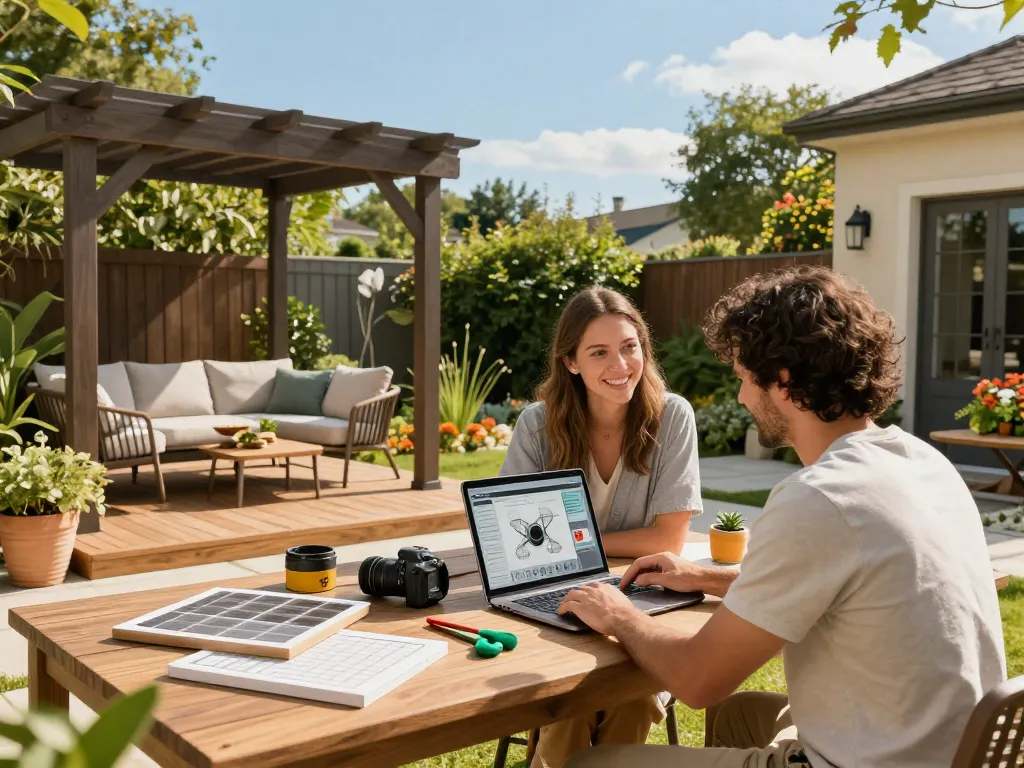
A pergola configurator is a software or online tool that enables users to design and visualize their pergola projects before construction. These interactive platforms typically allow users to choose dimensions, styles, materials, and additional features, providing a comprehensive overview of how the final product will look. By inputting specific measurements and preferences, users can manipulate the design elements to create a unique structure that fits their outdoor aesthetic and functional requirements.
Benefits of Using a Pergola Configurator
- Enhanced Visualization: Users can see a 3D representation of their pergola, helping them better understand how it will fit into their landscape.
- Customization: Configurators allow for a high degree of personalization, enabling users to choose colors, materials, and styles that reflect their tastes.
- Reduced Design Errors: By visualizing the design beforehand, users can identify potential issues and make adjustments before construction begins.
- Streamlined Planning: Most configurators provide tools for calculating materials needed, making it easier to plan the construction process.
How to Choose the Right Configurator for Your Needs
When selecting a pergola configurator, consider the following factors:
- User-Friendliness: Look for a platform that is intuitive and easy to navigate, especially if you’re not tech-savvy.
- Variety of Options: Ensure it offers a wide range of pergola styles and customization features to fit your vision.
- Output Quality: Check if the configurator provides high-quality visualizations and accurate dimensions.
- Support and Resources: Good configurators often include tutorials, customer support, and design resources to assist users.
Key Features of Modern Pergola Configurators
3D Visualization Capabilities
One of the standout features of modern pergola configurators is their ability to produce high-quality 3D visualizations. These tools allow users to rotate and view their designs from different angles, helping them visualize how the pergola will look in various lighting conditions and seasonal changes. Some configurators even offer virtual reality (VR) capabilities, providing an immersive experience that enhances decision-making.
Customization Options Available
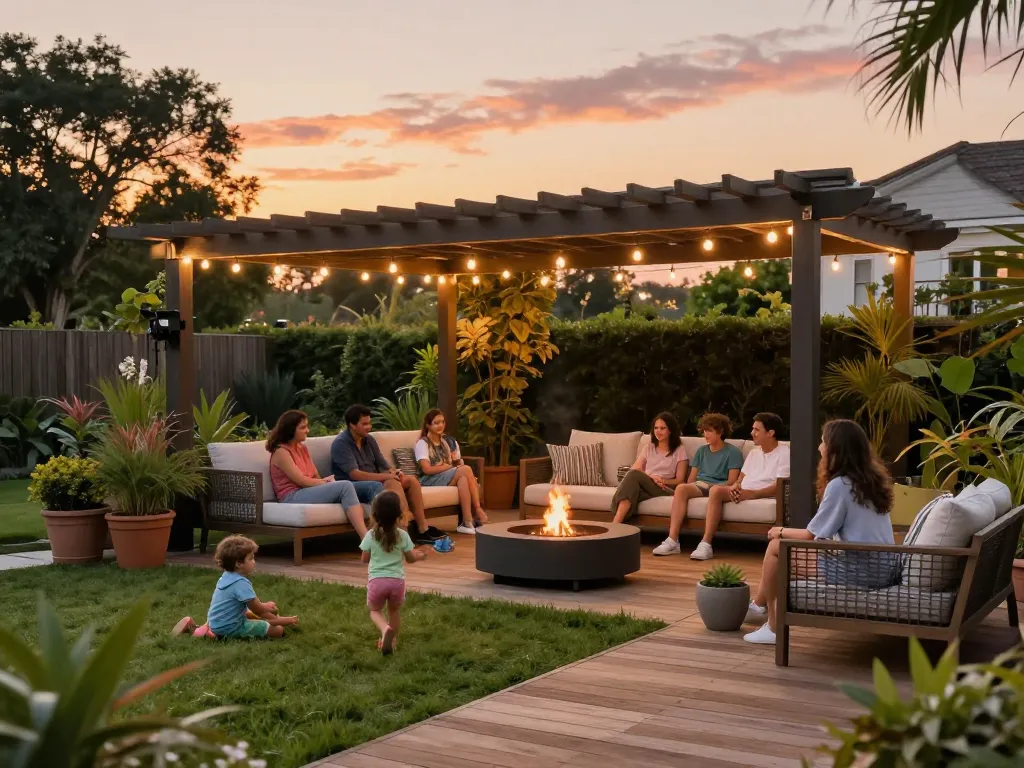
Highly flexible configurators allow users to customize not only the size and shape of their pergola but also materials and aesthetic features. Users can select from various types of wood, metal, or composite materials, and choose colors, finishes, and even add decorative elements such as lighting and drapery. This level of customization ensures that every pergola can be uniquely tailored to match the homeowner’s style and landscape.
Integration with Landscaping Elements
Effective configurators integrate well with other landscaping elements. Users can not only design their pergola but also incorporate features such as gardens, pathways, and furniture layouts. This holistic approach ensures that the pergola complements the overall outdoor design and enhances the usability of the space.
Steps to Design Your Pergola Using a Configurator
Gathering Measurements and Requirements
Begin by taking accurate measurements of the area designated for your pergola. Consider factors such as the height of adjacent structures, existing landscaping, and available space. Defining your requirements, such as purpose (e.g., shading, decoration, outdoor dining), will guide your design process and help you communicate your vision effectively.
Choosing Materials and Styles
Once your measurements are in hand, explore the various materials and styles available in the configurator. Common materials for pergolas include treated wood, cedar, aluminum, and vinyl. Each material offers distinct advantages regarding durability, maintenance, and aesthetics. Carefully consider these factors while selecting a style, from traditional designs to contemporary looks.
Finalizing Your Design and Layout
After customizing your pergola’s dimensions, materials, and styles, use the configurator to finalize the layout. Ensure that your design accommodates additional features like lighting or curtains. Most configurators will allow you to export the final design and dimensions, which are essential for obtaining necessary permits and purchasing materials.
Common Challenges with Pergola Design
Understanding Local Regulations and Permits
Building a pergola often requires adherence to local regulations and obtaining permits. It’s crucial to research zoning laws and building codes in your area to ensure compliance. Check with your local building department or consult with a contractor who can provide guidance on what is needed for your specific design.
Addressing Space Limitations
Space constraints can impact your pergola design significantly, especially in smaller yards. To maximize your space, consider compact designs or attach the pergola to existing structures, such as your house. Utilizing vertical space creatively with climbing plants can also enhance the feel without encroaching on usable yard space.
Budgeting for Your Pergola Project
Budgeting is a critical component of any construction project. Begin by estimating costs related to materials, labor (if you plan to hire help), and any additional features you wish to include. It’s also wise to allocate a contingency fund for unexpected expenses that may arise during the construction process.
Future Trends in Pergola Design (2026 and Beyond)
Innovations in Sustainable Materials
As environmental concerns continue to influence design trends, expect to see an increase in the use of sustainable materials for pergolas. Recycled materials and sustainably sourced woods are becoming more mainstream, offering eco-friendly alternatives without sacrificing quality or aesthetic appeal.
Smart Technology Integration in Outdoor Spaces
The rise of smart home technology is extending into outdoor spaces. Pergolas featuring integrated lighting, automated louver systems, and climate control options are on the rise. Homeowners will be able to control these features through mobile apps, enhancing comfort and usability.
Rising Popularity of Multi-Functional Pergolas
Modern homeowners are increasingly seeking structures that serve dual purposes. The trend towards multi-functional pergolas, which can act as outdoor kitchens, dining areas, or lounges, is set to grow. These versatile spaces will integrate features such as built-in seating, cooking stations, and heating elements for year-round enjoyment.
What Features Will Be Essential Going Forward?
As we look to the future, essential features for pergolas will likely include energy-efficient designs, improved durability, and greater customization options. Homeowners will look for solutions that enhance their outdoor living experience while ensuring minimal environmental impact.
What is a pergola configurator and how does it work?
A pergola configurator is an interactive tool that allows you to design and visualize your pergola before construction. It works by providing a platform to input dimensions, choose materials, and customize styles, ultimately generating a digital representation of your design.
Can I use a pergola configurator for different styles?
Yes, most pergola configurators are designed to accommodate various styles, including traditional, modern, and contemporary designs. They often offer a selection of templates or customizable options to suit different tastes and preferences.
Is there a cost associated with using a pergola configurator?
Many pergola configurators are free to use, while some may charge for advanced features or premium designs. Always check the pricing structure before you start using the tool to ensure it fits your budget.
How can I ensure my pergola complies with local building codes?
To ensure compliance with local building codes, research zoning laws in your area before finalizing your design. Consult with local authorities or a professional contractor who can guide you through the requirements necessary to avoid complications during construction.
What are the most popular materials for modern pergolas?
Popular materials for modern pergolas include wood (such as cedar or pressure-treated pine), aluminum, vinyl, and composite materials. Each has its unique advantages in terms of aesthetics, durability, and maintenance, allowing homeowners to choose based on their specific needs and preferences.