Understanding Spray Foam Removal
What is Spray Foam and Its Uses?
Spray foam is a versatile insulation material composed of two components, isocyanate and polyol resin, which, when mixed and applied, expand rapidly to form a solid foam. This material is well-regarded for its excellent insulation properties, significantly improving energy efficiency in buildings. Commonly used in residential and commercial constructions, spray foam can also seal gaps, prevent air leaks, and dampen sound. While its benefits are extensive, there may come a time when removing spray foam becomes necessary, making it essential to understand the process and implications of such removal. Engaging professional spray foam removal specialists can ensure the process is safe and effective.
Common Reasons for Removal
Spray foam removal can be prompted by various factors including:
- Damage or Deterioration: Over time, exposure to moisture or improper installation may lead to degradation, necessitating removal.
- Health Concerns: Some individuals may develop sensitivities or allergies to the materials used in spray foam.
- Renovation Needs: Homeowners often remove spray foam to facilitate renovations or upgrades to their properties.
- The Need for Inspection: If underlying issues like mold or structural problems are suspected, removal may be critical for assessment.
The Importance of Professional Removal
When it comes to removing spray foam, attempting a DIY approach can be tempting to save costs. However, the removal process is intricate and can be hazardous if not conducted properly. Professional spray foam removal specialists are equipped with the necessary training, tools, and safety protocols to uphold industry standards. They can ensure that the removal minimizes damage to underlying structures and prevents health risks associated with improper handling or exposure to toxic chemicals.
Qualities of Expert Spray Foam Removal Specialists
Certifications and Training Requirements
Before hiring spray foam removal specialists, it is critical to verify their credentials. Look for certifications from reputable industry organizations which indicate that the specialists have undergone proper training on foam removal techniques and regulations. Certified specialists are knowledgeable about current safety standards and methodologies that are essential to effectively remove spray foam while safeguarding your property and health.
Experience and Expertise in Projects
Experience plays a crucial role in spray foam removal. Specialists with a rich portfolio encompassing diverse project types can better navigate challenges that may arise during the removal process. Look for testimonials or case studies demonstrating their success in past projects, as this can be a good indicator of their proficiency and reliability.
Tools and Techniques Employed
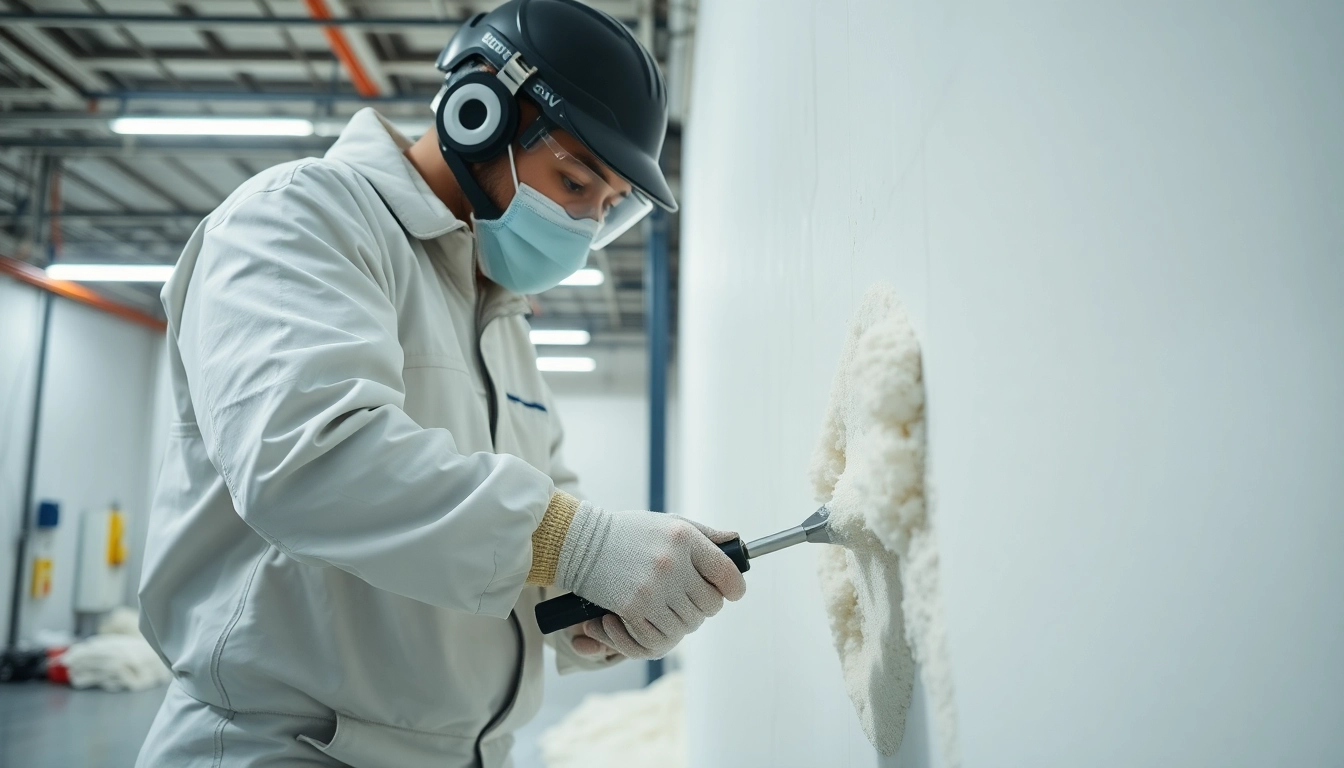
Professionals utilize specialized equipment tailored to spray foam removal. This often includes heating elements, chemical solvents, or mechanical scraping tools. The technique chosen can depend on several factors including the type and thickness of the foam. A reputable specialist will assess your specific situation and employ the most effective methods to ensure thorough and safe removal.
Choosing the Right Specialists
Key Questions to Ask Potential Companies
When evaluating potential removal specialists, consider asking the following questions:
- What certifications do your employees hold?
- Can you provide references from past clients?
- What tools and techniques do you use for spray foam removal?
- What safety protocols do you have in place?
Comparing Quotes and Services
Upon receiving quotes from different specialists, don’t solely focus on pricing. Evaluate what services are included in each quote. Some companies may offer additional benefits such as post-removal inspections or warranties, which can add value. A thorough comparison can help you choose a specialist who may be slightly more expensive but offers superior value and services.
Understanding Guarantees and Warranties
Ensure that the spray foam removal specialists provide a guarantee or warranty for their work. This coverage gives homeowners peace of mind, confirming that if issues arise post-removal, the company will address them without additional costs. It also reflects the company’s confidence in their workmanship.
Safety Considerations During Foam Removal
Health Risks Associated with Spray Foam
During spray foam removal, harmful chemicals can be released, posing potential health risks. Symptoms may include respiratory issues, skin irritations, or other allergic reactions. It is vital to engage professionals who can implement safety measures to mitigate these risks. Proper ventilation, protective gear, and adherence to safety regulations are critical components of the removal process.
Proper Safety Equipment and Protocols
Professionals should utilize appropriate safety equipment such as masks, gloves, and eye protection to shield themselves and residents from harmful exposure. Clear protocols regarding air quality monitoring and communication about removal phases are essential for safety during the project.
Regulations and Compliance Standards
Compliance with local and national regulations regarding hazardous material disposal is crucial during foam removal. Professionals must be aware of and adhere to all legal standards to avoid potential liabilities or penalties. Working with certified specialists helps ensure compliance and reduces the risk associated with the removal process.
Frequently Asked Questions
How long does the spray foam removal process take?
The duration of the removal process can vary based on factors such as the size of the area being treated and the type of foam used. Generally, it may take several hours to a few days for completion.
What should I do before the removal specialists arrive?
Prior to the specialists’ arrival, clear the area of any furniture or valuables, and ensure adequate ventilation. Also, inform them of any specific concerns you might have regarding the removal process.
Are there any risks involved in removing spray foam?
Yes, risks include exposure to hazardous chemicals and potential structural damage if improper methods are used. Hiring professionals minimizes these risks thanks to their expertise and equipment.
What do I need to know about costs?
Costs can vary based on the project’s complexity, foam thickness, and the professionals hired. It’s best to obtain multiple quotes and understand what each includes.
Can I attempt removal on my own?
While it may be tempting to DIY, it is not advisable. The risks involved and technical challenges associated with proper removal typically require professional expertise.