Understanding Professional Spray Foam Removal
What is Professional Spray Foam Removal?
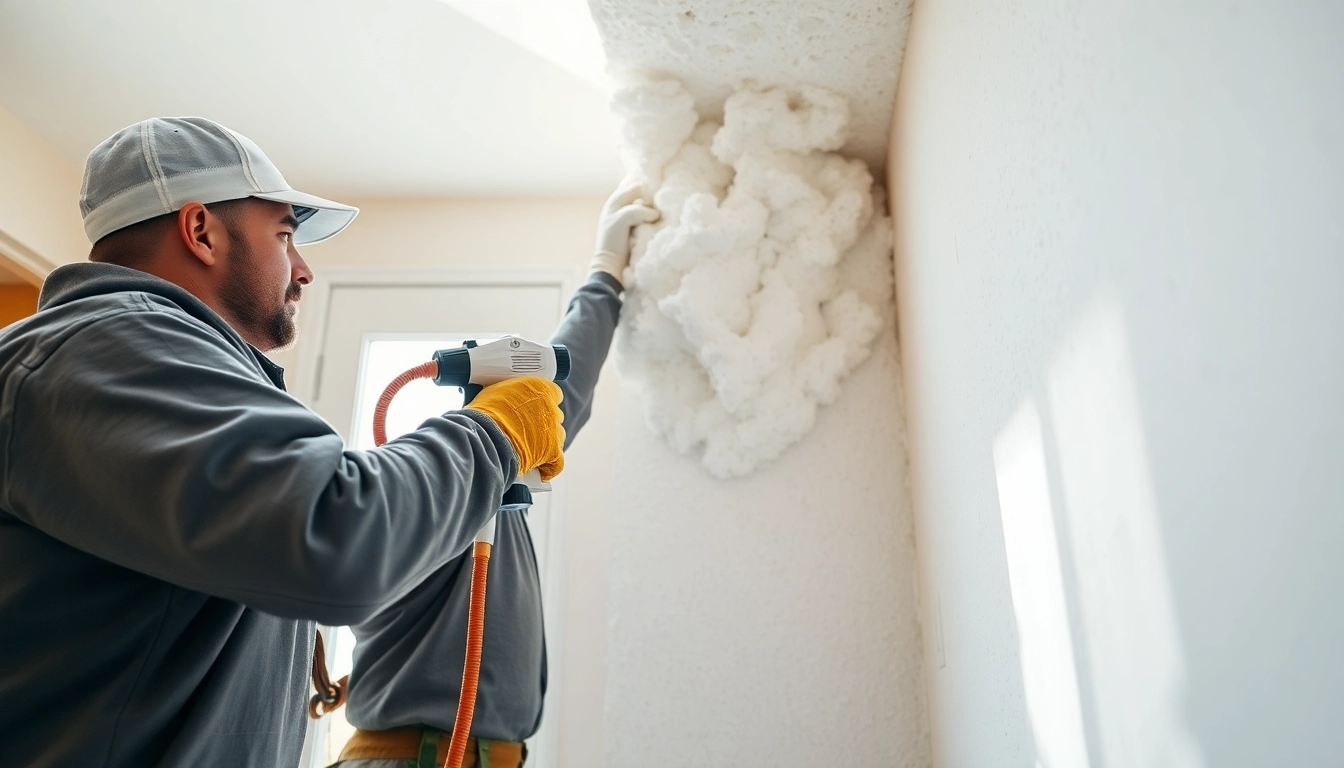
Professional spray foam removal refers to the comprehensive and expert techniques employed to safely and efficiently eliminate polyurethane spray foam insulation from properties. This removal process is critical to maintaining both the integrity of buildings and the health of their occupants. Spray foam, while effective for insulation, can lead to various problems if it deteriorates, becomes damaged, or is improperly installed. Therefore, engaging in professional spray foam removal ensures that the removal is conducted following industry best practices, utilizing specialized equipment and methodologies.
Why is Spray Foam Removal Necessary?
Spray foam insulation is known for its high R-value and excellent air sealing capabilities, but several factors can necessitate its removal. Over time, environmental exposure can cause the foam to degrade, reducing its insulating performance and potentially releasing harmful chemicals into the air. Other reasons might include:
- Water Damage: If an area becomes damp, spray foam can trap moisture, leading to mold and decay.
- Renovation Needs: Homeowners may wish to redesign areas for better space utilization, necessitating the removal of existing foam.
- Allergies or Health Concerns: Some individuals may develop sensitivities to chemicals associated with spray foam.
- Pest Infestations: Foam can provide nesting spots for pests, prompting removal to address the issue effectively.
Common Challenges in Spray Foam Removal
Spray foam removal is not a straightforward task and presents various challenges, such as:
- Difficulty in Accessibility: Foam might be installed in hard-to-reach places, making removal more complex.
- Damage to Underlying Structures: Improper removal techniques can compromise the integrity of walls or ceilings.
- Health Risks: The chemicals used in foam can pose health risks if inhaled or come into contact with skin.
- Time-Consuming Process: The removal process can be labor-intensive, requiring significant time and effort.
Best Practices for Professional Spray Foam Removal
Essential Tools for Effective Removal
Choosing the correct tools is fundamental to a successful spray foam removal. Essential tools include:
- Oscillating Multi-Tool: Ideal for cutting through foam and reaching tight spaces.
- Saws: Various types, like reciprocating saws or hand saws, help dismantle large foam sections.
- Scrapers: Useful for removing remnants of foam from surfaces.
- Protective Equipment: Items such as gloves, goggles, and masks to protect the workers during the process.
- Vacuum Systems: Ensures that the removal area is kept clean and free of foam dust.
Step-by-Step Process for Safe Removal
Below is a general step-by-step guide to safely remove spray foam:
- Initial Assessment: Evaluate the extent and location of the spray foam. Identify any underlying issues.
- Preparation: Clear the removal area to have unobstructed access. Lay down protective coverings to capture debris.
- Cutting: Use an oscillating multi-tool to cut the foam into manageable sections.
- Removal: Carefully pull away the foam sections, utilizing scrapers where necessary to minimize damage to the substrate.
- Clean Up: Use a vacuum system to remove any residual foam and dust particles.
- Post-Removal Inspection: Check for any damages to walls or structures and assess if further repairs are necessary.
Preventing Damage During Removal
To avoid damaging underlying structures when removing spray foam, consider these preventive measures:
- Gentle Techniques: Always use gentle cutting motions to avoid gouging surfaces.
- Check for Electrical Wiring: Ensure to identify and avoid cutting through wires installed alongside spray foam.
- Layered Removal: Remove foam in layers rather than attempting to pull large sections at once.
Safety Precautions in Professional Spray Foam Removal
Personal Protective Equipment (PPE) Requirements
Safety cannot be overlooked during spray foam removal. The following PPE is essential:
- Respirators: To protect against inhaling harmful fumes.
- Gloves: Durable gloves to protect hands from chemicals.
- Goggles: Eye protection is critical when using cutting tools.
- Coveralls: To prevent skin contact with foam particles and chemicals.
Handling Chemicals and Proper Ventilation
Many spray foam products contain hazardous chemicals. Proper ventilation is vital to ensure air quality is maintained. Follow these guidelines:
- Workspace Ventilation: Open windows and use fans to ensure circulation.
- Misting Techniques: Use misting techniques while cutting to reduce dust particles in the air.
- Read Safety Data Sheets: Always review and follow manufacturer instructions regarding chemical handling.
Emergency Procedures in Case of Exposure
In case of accidental exposure, follow these emergency steps:
- Inhalation: Move the person to fresh air immediately and seek medical attention if symptoms persist.
- Skin Contact: Rinse the affected area with soap and water for at least 20 minutes and seek medical advice.
- Eye Contact: Flush eyes with water for 15 minutes and seek medical care.
Finding the Right Professionals for Spray Foam Removal
Qualities to Look for in a Professional
When searching for qualified experts to carry out spray foam removal, consider these characteristics:
- Experience: Look for professionals who have substantial experience in insulation removal.
- Certifications: Ensure they have the necessary licenses and certifications for handling hazardous materials.
- Reputation: Check reviews and ask for references to verify their reliability.
- Insurance Coverage: Make sure they have liability insurance to cover any damages during the process.
Questions to Ask Potential Service Providers
Before hiring a professional, consider asking these critical questions:
- What techniques do you use for removal? Understanding their methodology can ascertain safety and efficiency.
- Can you provide references? Previous clients can provide valuable insight into their service quality.
- What is your estimated timeline for completion? Clarifying duration helps with project planning.
- How do you manage safety? Their approach to safety can impact both the workers and your property.
Cost Considerations for Hiring Professionals
While the costs for professional spray foam removal can vary widely based on factors such as location, type of property, and extent of removal, some common cost considerations include:
- Size of the Area: Larger areas will typically cost more to remove.
- Accessibility: Hard-to-reach locations may increase labor costs.
- Type of Services: Costs can vary depending on whether they involve just removal or also repairs and clean-up.
- Material Disposal Fees: Proper disposal of removed foam may incur additional charges.
FAQs about Professional Spray Foam Removal
What Are the Signs You Need Spray Foam Removal?
Signs include visible damage to the foam, signs of moisture intrusion, or strong chemical odors in the indoor air. Health concerns also indicate the need for removal.
How Long Does the Removal Process Take?
The duration varies depending on the size and location of the foam, typically taking a few hours to several days to complete.
Can I Remove Spray Foam Myself?
While DIY removal is possible, it is not recommended due to health hazards, complexity, and risks of damaging your property.
Is Spray Foam Removal Safe for My Home?
Yes, when conducted by trained professionals following safety guidelines, spray foam removal is safe and effective.
What Are the Costs Associated with Professional Spray Foam Removal?
Costs can range significantly based on the factors such as area size, removal complexity, and disposal fees; obtaining multiple quotes is advisable.