
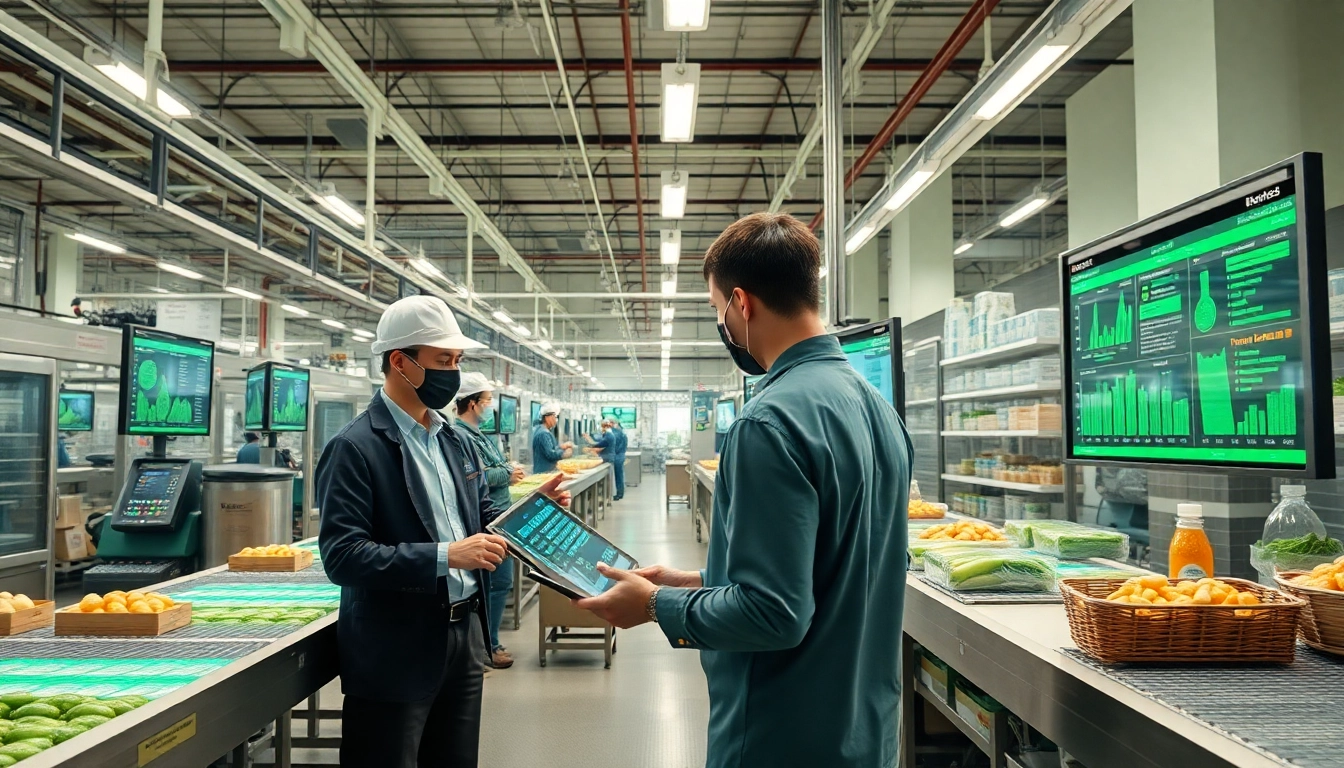
Understanding Traceability Software for Food Manufacturers
In an increasingly complex food supply chain, traceability software plays a critical role for food manufacturers aiming to enhance safety, compliance, and operational efficiency. This technology allows for the meticulous tracking of food products from their origin all the way through the production process to the end consumer. With growing concerns over food safety and an ever-evolving regulatory environment, having a robust traceability system is no longer just a value-add; it is a necessity. traceability software for food manufacturers is designed to simplify these processes, ensuring that manufacturers can quickly respond to challenges while maintaining high standards of quality.
What is Traceability Software?
Traceability software is a specialized application that helps food manufacturers keep track of every ingredient and product throughout the entire supply chain. This software records key data points like batch numbers, production dates, and supplier information, making it easier to trace a product’s journey. In the event of a food safety issue, traceability software allows manufacturers to quickly identify and isolate affected products, thereby minimizing risks associated with recalls or contamination.
Importance of Traceability in the Food Industry
The food industry is subject to stringent safety regulations, and ensuring traceability is critical for compliance. It enables manufacturers to demonstrate transparency and accountability to regulatory bodies and consumers alike. Additionally, effective traceability can enhance consumer trust, as more individuals are demanding to know the origin of their food. In fact, studies indicate that consumers are more likely to choose brands that provide clear sourcing and transparency about their products.
Key Features of Effective Traceability Software
- Batch and Lot Tracking: Ability to track specific batches of products and their associated ingredients through all stages of production.
- Real-Time Reporting: Instant access to data that allows manufacturers to make informed decisions on quality and safety.
- Compliance Management: Tools that help ensure compliance with local, national, and international food safety regulations.
- Integration Capabilities: Compatibility with existing ERP systems, which streamlines operations and enhances data flow.
- User-Friendly Interface: Intuitive design that ensures ease of use, allowing staff across different departments to access critical information seamlessly.
Implementing Traceability Solutions
Steps to Integrate Traceability Software
Implementing traceability software requires a structured approach. Here are the crucial steps to ensure a successful integration:
- Assess Your Needs: Determine the specific requirements of your manufacturing process and identify the key data points that need tracking.
- Select the Right Software: Research different traceability solutions tailored to food manufacturing and choose one that aligns with your business goals.
- Train Your Staff: Conduct training sessions for employees to ensure they are proficient in using the software and understand its importance.
- Test the System: Before fully launching your traceability solution, run tests to identify any issues that need addressing.
- Launch and Monitor: Once implemented, continuously monitor the system to ensure it is functioning as intended and providing the necessary insights.
Common Challenges in Adoption and How to Overcome Them
Adopting new technology is never without its challenges. Common obstacles encountered during the implementation of traceability software include:
- Resistance to Change: Employees may be reluctant to adopt new processes. Overcoming this requires ongoing training and clear communication about the benefits of the software.
- Data Integration Issues: Integrating the new software with existing systems can be complex. It’s essential to work with IT professionals during this phase.
- Cost Considerations: Budget constraints can limit the options available. However, investing in quality traceability software can lead to cost savings in the long run by preventing recalls and enhancing productivity.
Best Practices for Implementation Success
To maximize the chances of success when implementing traceability software, consider the following best practices:
- Engage stakeholders early in the process to get their feedback and buy-in.
- Set clear goals and metrics for success to evaluate the effectiveness of the software.
- Regularly update and maintain the software to keep it aligned with industry standards.
Regulatory Compliance and Safety Standards
Understanding Food Safety Regulations
Food manufacturers must navigate a complex landscape of regulations, including the Food Safety Modernization Act (FSMA) in the United States and similar regulations in other countries. These laws require that manufacturers implement systems for tracking food products throughout the supply chain, emphasizing the need for effective traceability solutions.
How Traceability Software Ensures Compliance
Traceability software aids in compliance by providing the necessary tools to document and report on tracking data. This documentation is crucial during audits and inspections, helping manufacturers demonstrate adherence to safety standards and regulations.
Case Studies: Evidence of Traceability Impact
Numerous case studies illustrate the positive impact of traceability software in the food industry. For example, a well-known dairy company faced a massive recall due to contamination but was able to leverage its traceability system to identify the affected products swiftly. This proactive approach not only minimized losses but also maintained customer trust.
Future Trends in Food Traceability Software
Emerging Technologies in Food Traceability
The future of traceability software is being shaped by emerging technologies such as blockchain, IoT (Internet of Things), and AI (Artificial Intelligence). These technologies can enhance transparency and provide more accurate tracking capabilities, ultimately leading to safer food products.
Predictions for the Future of Food Safety and Quality
As consumers become increasingly aware of food safety issues, the demand for transparency will only grow. Future predictions suggest that traceability software will evolve to include features that enable real-time tracking and reporting, providing consumers with immediate access to product history.
How to Prepare for Upcoming Regulations
Manufacturers should proactively prepare for upcoming regulations by investing in advanced traceability solutions now. Keeping abreast of regulatory changes and integrating those requirements into existing systems will ensure continued compliance and mitigate risks associated with non-compliance.
Choosing the Right Traceability Software
Evaluating Your Options: Key Considerations
When selecting a traceability software solution, several key considerations should guide your decision-making process:
- Scalability: Ensure the software can grow with your business.
- User Experience: Assess the intuitiveness of the interface and the learning curve required for staff.
- Support and Training: Investigate the level of customer support and training offered by the vendor.
Top Traceability Software Solutions for 2026
As the food industry evolves, several traceability software solutions stand out for their performance and features. Some of the leading options for 2026 include:
- FoodDocs: Known for its user-friendly interface and comprehensive features aimed at small to medium manufacturers.
- MRPeasy: A powerful tool for managing production and traceability in one platform.
- Trustwell: Offers robust supply chain visibility and compliance management solutions.
How to Make an Informed Decision
To make an informed decision regarding traceability software, manufacturers should conduct thorough research and engage with multiple vendors. Requesting demos and trial periods can provide valuable hands-on experience, while consultations with industry peers can offer insights into the software’s performance in real-world applications.