
What is an Extended Warranty for Electric Vehicles?
Definition and Key Features
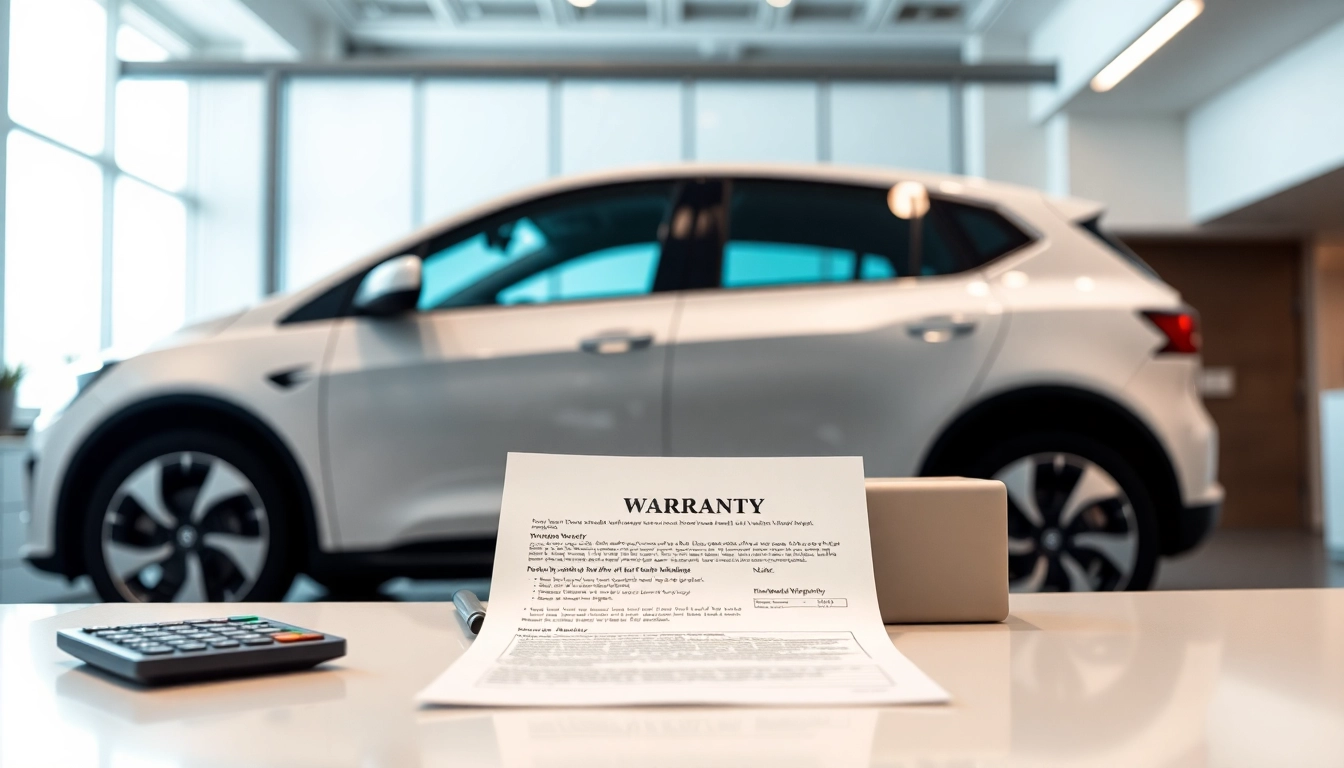
An extended warranty for electric vehicles is a service contract that provides additional coverage beyond the standard manufacturer warranty period. These warranties help cover repair or replacement costs of components that may break down after the initial warranty expires. Key features often include coverage for electrical systems, battery packs, and powertrains, which are essential for the operation of electric vehicles (EVs). The importance of such coverage is magnified with the high cost of repairs or replacements for specialized EV components.
Importance of Extended Warranty for Electric Vehicles
As electric vehicles gain popularity, the complexity of their technology has increased. This complexity can lead to higher repair costs. An extended warranty for electric vehicles can provide peace of mind, ensuring that if something goes wrong, repairs won’t come out of pocket. This is particularly important as EVs often utilize advanced technology and components, which can be more expensive to fix or replace than traditional gas vehicles.
Types of Coverage Available
Extended warranty options vary significantly from one provider to another, but they generally fall into a few categories:
- Powertrain Coverage: This typically includes the electric motor, transmission components, and battery system.
- Comprehensive Coverage: This spans nearly all aspects of the vehicle and includes both electrical and mechanical parts, often mirroring the original manufacturer’s warranty.
- Components-Specific Coverage: Some warranties focus specifically on high-cost components, such as the battery or electric motor.
Common Misconceptions about Extended Warranty for Electric Vehicles
Myths vs. Facts
Many misconceptions surround extended warranties for electric vehicles. One of the most common myths is that they are not necessary for EVs because they are generally reliable. In truth, while EVs do boast reliability, their parts can be costly, and unexpected failures can happen. Thus, having an extended warranty can safeguard against significant financial loss.
Cost Considerations
Some consumers believe that extended warranties are simply an extra cost that may not provide value. This belief often stems from a misunderstanding of the potential expenses involved in EV repairs. For instance, replacing an electric battery can be expensive, sometimes exceeding several thousand dollars. An extended warranty can, therefore, be a financially sound decision.
Coverage Limitations
Another misconception is that extended warranties cover everything related to the vehicle. However, it’s crucial to read the fine print. Many warranties have exclusions that can limit coverage in specific scenarios, such as during modifications or if regular maintenance was ignored. Always clarify what is included and excluded before purchasing a warranty.
How to Evaluate Extended Warranty for Electric Vehicles
Assessing Your Needs
Before committing to an extended warranty, it’s essential to assess your own needs. Consider factors such as the age of your vehicle, your driving habits, and how long you plan to keep the car. If you drive extensively or own a newer model, an extended warranty may be prudent to guard against unexpected repair costs.
Comparing Warranty Options
Don’t settle on the first extended warranty you come across. Take the time to compare options across various providers. Look into the different types of coverage, exclusions, customer reviews, and claims processes. By comparing, you can find a warranty that offers the best value for specific needs associated with your electric vehicle.
Key Questions to Ask Providers
When evaluating warranty options, be sure to ask potential providers these key questions:
- What specific components are covered under the warranty?
- Are there any deductibles or co-pays associated with claims?
- Can the warranty be transferred if I sell the vehicle?
- What is the process for filing a claim?
- Are there any restrictions that might affect coverage?
The Process of Purchasing Extended Warranty for Electric Vehicles
Steps to Secure Your Warranty
The process to acquire an extended warranty generally involves several steps:
- Conduct research on various warranty options.
- Choose the coverage that best fits your needs and budget.
- Request quotes and compare the costs.
- Review the fine print and terms of service.
- Finalize your choice and complete the purchase.
Understanding Terms and Conditions
Before signing any contract, thoroughly read the terms and conditions of the warranty. This document will clarify coverage limits, cancellation policies, and what to do if you need to file a claim. Make sure you completely understand all stipulations to avoid surprises later.
Where to Purchase
Extended warranties for electric vehicles can be obtained from various sources, including automotive dealerships, independent warranty companies, and online platforms. Evaluate each option based on reliability, terms, and customer service to make an informed decision about where to purchase.
Frequently Asked Questions about Extended Warranty for Electric Vehicles
What is covered in an extended warranty for electric vehicles?
An extended warranty for electric vehicles typically covers powertrain, electrical systems, and specific components but exclusions vary by provider.
Are extended warranties worth it for electric vehicles?
Yes, they can provide peace of mind against costly repairs, especially for new or high-tech electric vehicles.
How do I file a claim on my extended warranty?
Reach out to your warranty provider directly, providing the necessary documentation and details of the repair.
Can I transfer my extended warranty?
Most extended warranties are transferrable, which can enhance the resale value of your electric vehicle.
How does an extended warranty differ from insurance?
Insurance covers damages and accidents, while an extended warranty covers mechanical breakdowns after the manufacturer’s warranty expires.